Best Tactical Backpack Manufacturers in China: 8 OEM/ODM Suppliers for 2026
The best tactical backpack manufacturers in China are not all the same type of supplier. Some focus almost entirely on tactical bags. Others manufacture police or hunting equipment, while broad bag factories may offer more flexibility for private-label collections. The right choice depends on your intended use, construction requirements, order volume, and need for related products.
This guide compares eight China-based suppliers with verifiable tactical backpack or custom backpack capabilities. It is written for outdoor brands, tactical equipment companies, importers, wholesalers, and sourcing teams—not consumers looking for a finished retail backpack. Use the profiles to build a shortlist, then request project-specific samples, quotations, and quality documents before placing a bulk order.
Tactical Backpack Manufacturing in China
China's tactical backpack supply base includes several distinct business models. Understanding the difference can save time during supplier qualification.
- Tactical gear specialists already work with MOLLE-compatible layouts, reinforced webbing, hydration compartments, and military-style product collections. They are a practical starting point when tactical construction is central to the project.
- Police and protective-equipment suppliers can combine backpacks with duty gear, rescue equipment, or protective products. Their broader certifications do not automatically apply to backpacks, so buyers should check the scope of every report.
- Hunting and tactical factories suit brands that want packs for hunting, range, field, and outdoor applications under one collection.
- Broad custom bag manufacturers may offer more fabric, shape, and private-label flexibility. However, buyers should confirm that the selected production line has experience with load-bearing webbing and reinforced tactical construction.
- Outdoor product development partners can coordinate backpack design with camping, trekking, or overlanding products. This model is useful when a brand wants one sourcing contact for a wider outdoor range.
A supplier does not become the best fit simply because it offers 1000D fabric or a MOLLE-style front panel. Material composition, coating, webbing alignment, stress-point reinforcement, hardware, and sample control have a greater effect on the finished pack than a generic “military grade” description.
8 Best Tactical Backpack Manufacturers in China
1. GulTrek — Best for Integrated Outdoor Product Development
Location: Ningbo, Zhejiang
Supplier type: Outdoor gear development and sourcing partner
Best fit: Outdoor brands developing tactical-style backpacks alongside a wider product range
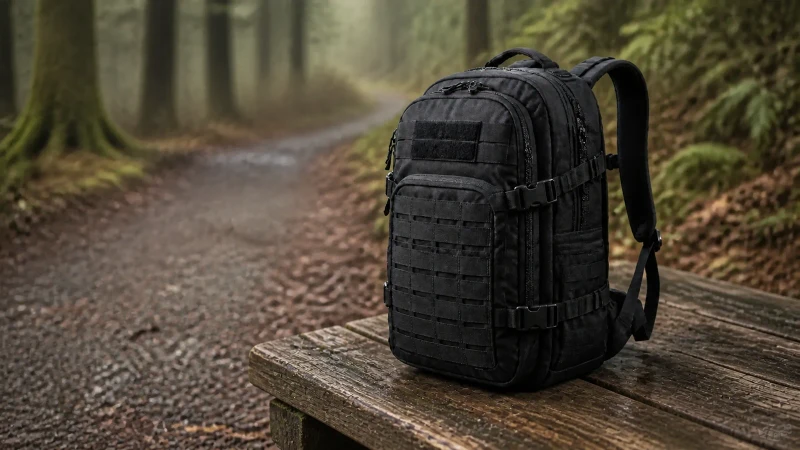
GulTrek supports custom backpack development for brands, retailers, distributors, and importers. Its backpack work covers material, size, capacity, color, logo, packaging, feature, and structural customization. Private-label, OEM, and ODM support make it suitable for projects that need more than a stock bag with a printed logo.
For a tactical backpack program, buyers can discuss the intended carrying load, compartment layout, modular webbing, hydration compatibility, back-panel construction, and branding as one specification. GulTrek can also coordinate the backpack with related camping and trekking products, which is useful for outdoor collections that extend beyond tactical bags.
The company's customized services cover requirement collection, drawing development, sampling, bulk production, inspection, and shipping coordination. Buyers can also review GulTrek's wider backpack range before deciding whether to modify an existing construction or start a new design.
Why consider GulTrek: It gives outdoor brands one development channel for a custom tactical-style backpack and adjacent gear, without forcing the project into a fixed tactical catalog.
2. LUPU — Best for Established Tactical Backpack Programs
Location: Guangzhou, Guangdong
Supplier type: Direct tactical bag manufacturer
Best fit: Brands that want a specialist tactical backpack program with a published custom-order process
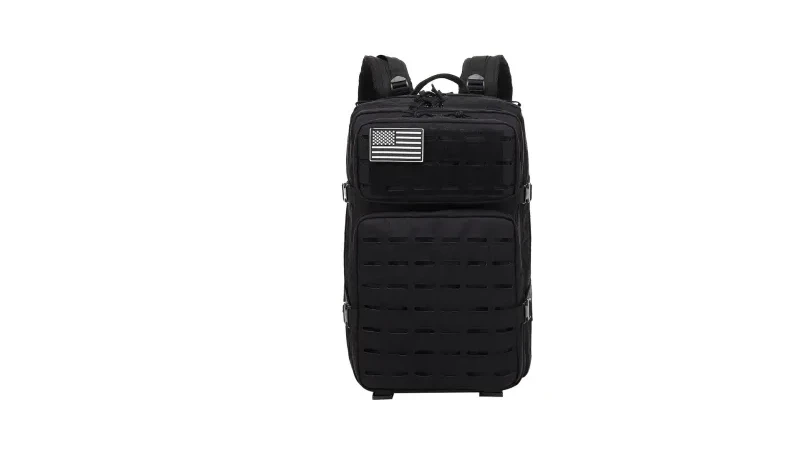
LUPU focuses on tactical bags and related load-carrying equipment. Its backpack range includes military-style packs, assault packs, range bags, medical bags, hydration products, and other tactical formats. That specialization can reduce the amount of basic construction explanation needed during early sampling.
The company supports OEM and ODM development and publishes a custom MOQ of 300 units. It also gives useful planning references: an existing sample takes about seven days, an OEM sample about two weeks, and bulk production about 30 to 40 days. These are starting points rather than fixed promises; material availability, hardware, printing, and design complexity can change the schedule.
Why consider LUPU: It is one of the clearest options for buyers who want a tactical specialist, a defined customization process, and a public starting MOQ.
3. YAKEDA — Best for Broad Tactical Equipment Collections
Location: Guangzhou, Guangdong
Supplier type: Tactical equipment manufacturer and brand
Best fit: Distributors and brands sourcing backpacks with other tactical equipment
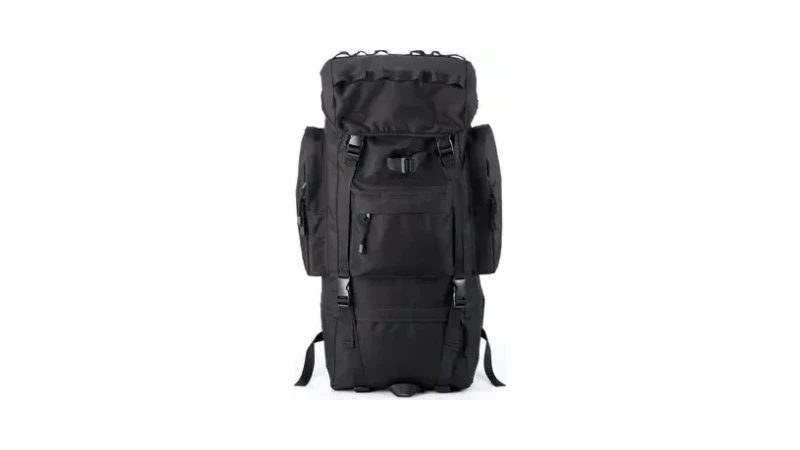
Established in 2006, YAKEDA manufactures tactical backpacks as part of a broader equipment collection. Its bag range includes tactical backpacks, daypacks, rescue-oriented bags, and other load-carrying products. The company handles design, sampling, manufacturing, and trading, and it accepts customer designs and logo customization.
YAKEDA is particularly relevant when a buyer wants consistent styling across backpacks and related tactical products. The breadth of the catalog also provides several existing constructions that can help define size, pocket layout, shoulder systems, and attachment features before custom development begins.
Buyers should still create a precise technical pack. A large catalog does not remove the need to approve fabric composition, webbing layout, hardware, stitch reinforcement, and packaging for the chosen model.
Why consider YAKEDA: Its broad tactical range can support distributors or brands building a coordinated equipment collection rather than a single standalone backpack.
4. GAF Outdoor — Best for Hunting and Tactical Crossover Packs
Location: Guangzhou, Guangdong
Supplier type: Hunting and tactical gear manufacturer
Best fit: Hunting, field, shooting, and outdoor brands that need tactical-style packs
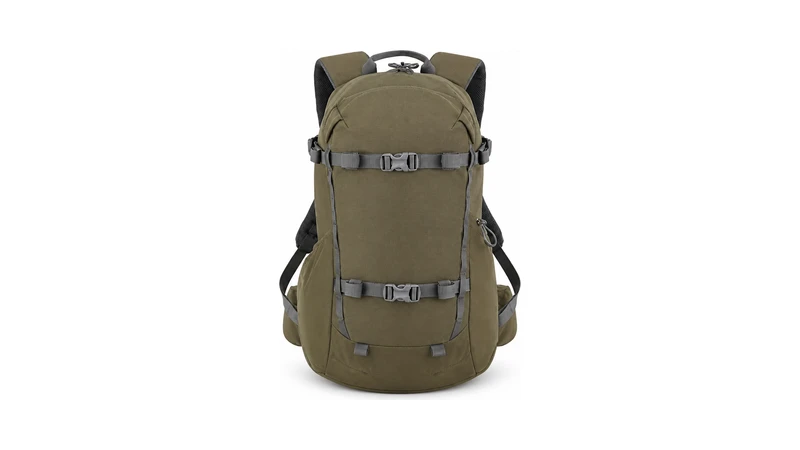
GAF Outdoor has produced hunting and tactical gear since 2011. Tactical backpacks sit alongside hunting packs and other field equipment, giving the company a useful crossover position between outdoor use and tactical construction.
The company offers OEM and ODM services and publishes a starting MOQ of 300 units. This can suit established private-label programs, although buyers should request a current quotation for the selected fabric, hardware, color, and branding method. A standard color or existing pattern may have different order conditions from a fully custom design.
GAF is a practical candidate for packs intended for hunting, range, overlanding, or general field use. The buyer should define whether the product needs a tactical appearance, true modular compatibility, heavy load support, or all three.
Why consider GAF Outdoor: It bridges hunting and tactical product development, making it relevant to brands whose customers use the same pack across field and outdoor settings.
5. Chowey — Best for Police, Emergency, and Tactical Backpack Programs
Location: Ningbo, Zhejiang
Supplier type: Police and military equipment manufacturer
Best fit: Buyers sourcing hydration, rescue, police, and larger tactical packs
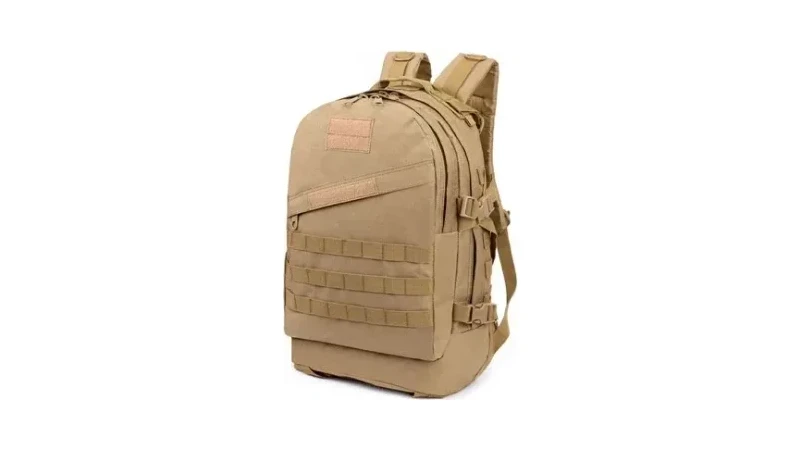
Chowey supplies police and military equipment and offers a dedicated tactical backpack range. Available formats include compact hydration packs, daypacks, rescue-oriented bags, and larger models up to 55 liters. This range gives buyers options for different missions and carrying loads without treating every tactical bag as the same product.
OEM and ODM support covers custom development, sampling, and production. The supplier is most relevant when backpacks form part of a police, emergency, or duty-equipment program. Buyers should request backpack-specific test information rather than assuming that certifications associated with body armor or other protective products also cover textile bags.
Why consider Chowey: Its range extends from hydration to large tactical packs and fits projects connected to emergency, police, or duty equipment.
6. Xiamen Green Field — Best for High-Volume Custom Bag Programs
Location: Xiamen, Fujian
Supplier type: Broad bag OEM/ODM manufacturer
Best fit: Buyers who want tactical backpacks within a larger custom bag program
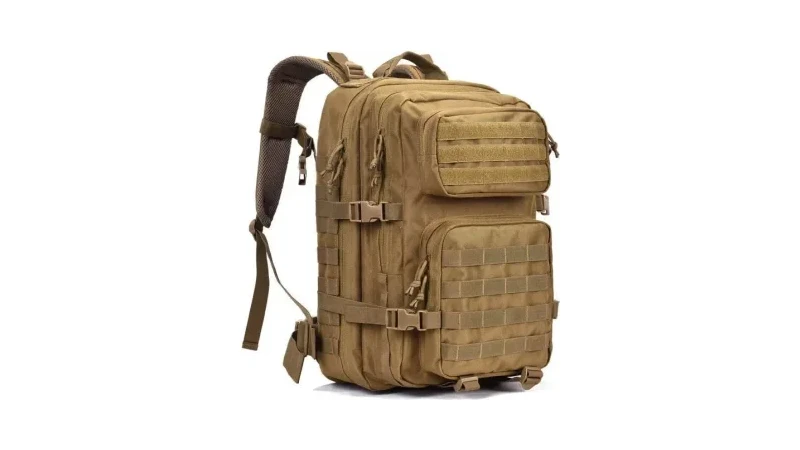
Xiamen Green Field is a broad bag manufacturer with a dedicated tactical backpack category. Its wider bag-making background can be useful for brands that need tactical packs together with travel, sports, promotional, or outdoor bags.
The company supports OEM and ODM projects, including material, color, logo, structure, and packaging changes. Its tactical category covers several pack sizes and layouts, giving buyers a basis for comparing existing patterns before commissioning a new one.
Because Green Field serves many bag categories, buyers should verify that the proposed production line and sample meet the project's tactical requirements. Pay particular attention to webbing attachment, shoulder-strap anchoring, load distribution, and repeated stress points. MOQ should be confirmed for the selected model rather than inferred from another product page.
Why consider Xiamen Green Field: It can suit larger or multi-category bag programs that need both tactical styling and broad custom bag capabilities.
7. Szoneier — Best for Flexible Private-Label Bag Development
Location: Shenzhen, Guangdong
Supplier type: Broad custom bag manufacturer
Best fit: Private-label buyers testing a tactical bag within a wider branded collection
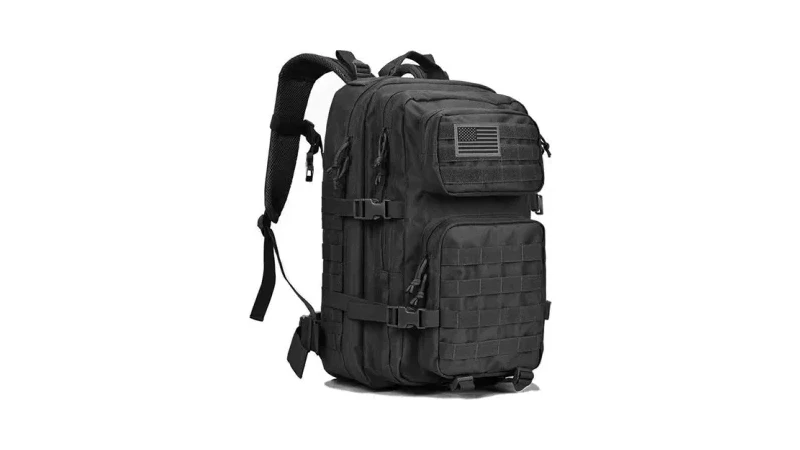
Szoneier manufactures several custom bag categories and maintains a dedicated tactical bag and backpack offering. Its services cover design support, materials, colors, logos, labels, packaging, and production, making it relevant to brands that want to adapt a bag to a specific market position.
The company's general backpack programs advertise starting MOQs from 100 units. Buyers should confirm whether that quantity applies to the chosen tactical construction, because custom webbing, molded components, special colors, or new patterns can raise the minimum.
Szoneier may be especially useful for a private-label company that values bag-development flexibility over a military-only catalog. The production sample should confirm that the supplier can reproduce the approved MOLLE/PALS layout and load-bearing details consistently.
Why consider Szoneier: It offers broad private-label bag development and may provide a lower entry point for some backpack programs, subject to model-specific confirmation.
8. Fox Armour — Best for Tactical Backpacks with Protective-Equipment Sourcing
Location: Zhejiang
Supplier type: Police, army, and protective-equipment manufacturer
Best fit: Buyers combining tactical backpacks with police or protective-equipment sourcing
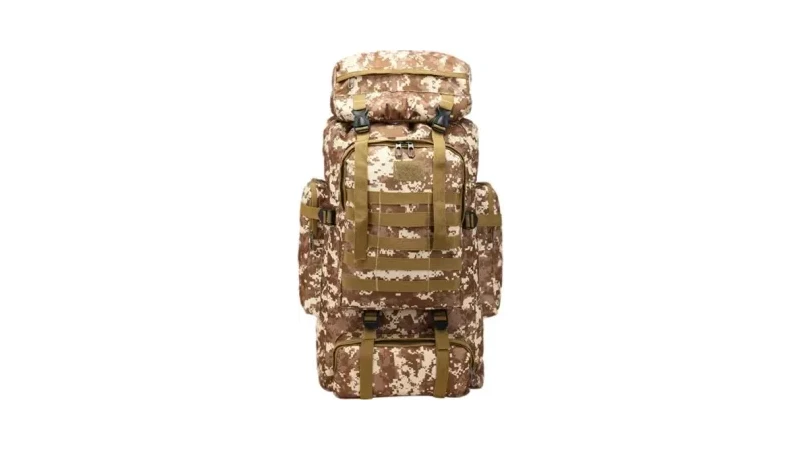
Founded in 2016, Fox Armour supplies police, army, and protective equipment. Its catalog includes a dedicated tactical backpack category, and the company supports custom tactical backpack projects.
This supplier is relevant when a buyer wants backpacks and other duty or protective products from one equipment source. As with any multi-category protective-equipment company, certification scope matters. A report for armor, helmets, or another regulated product should not be used as evidence that a textile backpack meets the same standard.
Confirm the selected pack's material, capacity, webbing construction, stitching, hardware, sample timing, and MOQ directly. These details will provide more purchasing value than general factory or product-range claims.
Why consider Fox Armour: It can combine custom tactical backpacks with a broader police and protective-equipment purchasing program.
Tactical Backpack Manufacturer Comparison
| Supplier | Base | Supplier type | Best fit |
|---|---|---|---|
| GulTrek | Ningbo | Outdoor gear development and sourcing partner | Outdoor brands and multi-category product development |
| LUPU | Guangzhou | Tactical bag specialist | Established specialist tactical backpack programs |
| YAKEDA | Guangzhou | Tactical equipment manufacturer and brand | Broad tactical equipment collections |
| GAF Outdoor | Guangzhou | Hunting and tactical gear manufacturer | Hunting and tactical crossover products |
| Chowey | Ningbo | Police and military equipment manufacturer | Hydration, rescue, police, and tactical packs |
| Xiamen Green Field | Xiamen | Broad bag OEM/ODM manufacturer | Larger custom bag and multi-category programs |
| Szoneier | Shenzhen | Broad custom bag manufacturer | Flexible private-label bag development |
| Fox Armour | Zhejiang | Police and protective-equipment manufacturer | Tactical packs with related duty equipment |
MOQ figures are planning references, not guaranteed order terms. Fabric color, custom-dyed webbing, printed components, branded hardware, packaging, and pattern development can all affect the final minimum.
What to Specify Before Requesting a Tactical Backpack Quote
A useful tactical backpack quotation starts with a useful specification. Sending only a reference photo and asking for “1000D, best quality” leaves too many decisions open. The following details help manufacturers quote the same product and produce a comparable sample.
1. Intended Use, Capacity, and Carrying Load
Define who will use the pack and what they will carry. A 20-liter range bag, a 35-liter patrol pack, and a 55-liter multi-day pack need different frames, shoulder systems, compartments, and reinforcement.
State the target capacity, dimensions, expected load, torso or user range, hydration requirements, laptop or equipment compartments, and access style. If the pack must fit a vehicle, locker, airline limit, or other equipment, include those dimensions in the RFQ.
2. Exact Fabric Composition and Construction
Denier measures yarn linear density; it does not prove finished-fabric strength by itself. Specify both the fiber and denier—for example, 600D polyester or 1000D nylon—plus the weave, backing, coating, color, and any recycled-content requirement.
Ask for fabric data or a swatch before approving the sample. If abrasion, tear strength, colorfastness, or restricted-substance testing matters in your market, name the required test method and acceptance level instead of requesting “durable material.”
3. Coating and Water-Resistance Target
Water-resistant and waterproof are not interchangeable. A coated fabric can resist rain while needle holes, zippers, and seams still allow water inside.
Define whether you need light rain resistance, a measured hydrostatic performance target, a rain-cover system, or a genuinely waterproof construction. Specify the coating—such as PU, TPU, or PVC—when it affects hand feel, weight, welding, price, or target-market requirements. Do not use an IP rating in marketing unless the finished product has been tested to the stated condition.
GulTrek's waterproof backpack range can also provide construction references for projects where weather protection matters as much as tactical organization.
4. MOLLE/PALS Layout and Webbing Attachment
MOLLE-compatible pouches normally attach to a PALS-style webbing grid, but a visual imitation may not provide reliable alignment or load support. Put the required grid dimensions, row count, spacing, and usable attachment areas on the technical drawing.
Inspect the sample with the actual pouches or accessories you plan to use. Check whether bartacks and webbing ends remain secure under repeated loading, and make sure decorative seams do not block attachment channels.
5. Stress-Point Reinforcement and Hardware
Identify every load-bearing point: shoulder-strap anchors, grab handles, compression straps, hip-belt attachments, modular webbing, and the lower corners of heavy compartments. Specify bartacks, box-X stitching, reinforcement layers, seam allowance, and thread where these details matter.
List zipper, slider, buckle, adjuster, hook-and-loop, mesh, foam, and frame-sheet requirements. A named brand is not always necessary, but the approved component model and performance level should be fixed in the bill of materials. This prevents silent substitutions between sample and bulk production.
6. Sample and Inspection Plan
Use an approved production sample as the physical standard for bulk manufacturing. Keep a signed or sealed reference and attach a dated bill of materials, color standard, artwork file, packaging specification, and measurement chart.
Your inspection plan can cover dimensions, appearance, stitch density, skipped stitches, bartack position, zipper operation, buckle function, webbing alignment, loading, abrasion points, odor, labeling, and carton packing. Match the tests to the product's intended use instead of copying a generic bag checklist.
7. Packaging and Market Documents
Include hangtags, polybags, warning text, user instructions, carton marks, barcode format, country-of-origin marking, and retail packaging in the quotation request. Ask which material declarations, chemical test reports, or compliance documents the supplier can provide for your target market and product materials.
Before paying for tooling or a bulk order, confirm which documents apply to the finished backpack rather than to a different product family. Also agree on who approves artwork, who pays for repeat testing, and what happens if bulk materials differ from the approved sample.
FAQs
Q1: Can GulTrek Develop Custom Tactical Backpacks for Private-Label Brands?
Yes. GulTrek supports custom materials, sizes, capacities, colors, logos, packaging, features, and structural designs for backpack projects. OEM, ODM, and private-label services can cover development from requirements and drawings through sampling, bulk production, inspection, and shipping coordination.
The most useful starting information is your intended use, target capacity, order quantity, reference design, fabric preference, MOLLE/PALS requirement, branding method, target market, and expected launch date.
Q2: What MOQ Should Buyers Expect for Custom Tactical Backpacks?
MOQ depends on the pattern, fabric, color, webbing, hardware, printing, and packaging. GulTrek's wider product categories commonly start around 300 to 500 units, while a fully custom construction may require more. Existing materials and components can sometimes reduce the entry quantity.
Ask for a model-specific MOQ and quotation rather than treating a website number as a fixed rule. A small pilot order may also carry a higher unit price than a standard production run.
Q3: Which Tactical Backpack Materials and Components Can Be Customized?
Common options include polyester or nylon shell fabrics, fabric denier, coatings, lining, foam, mesh, webbing, zippers, buckles, hook-and-loop panels, compartments, hydration routing, capacity, colors, labels, logo methods, and retail packaging. Availability depends on the order volume and component supply.
Buyers should approve a complete bill of materials and production sample. Color names and generic descriptions such as “military buckle” are not precise enough for bulk control.
Q4: What Should Buyers Send with an OEM Tactical Backpack Inquiry?
Send a drawing, reference sample, or clear product brief with dimensions, capacity, intended load, fabric specification, colors, webbing layout, compartments, hardware, logo artwork, packaging, quantity, target price range, destination market, and required delivery date.
If your design is still at the concept stage, GulTrek can help turn those requirements into a custom backpack proposal. Contact GulTrek with the project details to discuss materials, samples, MOQ, and production timing.