8 Best Dry Bag Manufacturers in China 2026 | Sourcing Guide
If you're sourcing dry bag manufacturers in China, you're looking at the world's largest production base for waterproof bags. Chinese factories produce the majority of dry bags sold globally, using materials like PVC tarpaulin, TPU, and ripstop nylon — and most offer full OEM/ODM customization down to materials, colors, closures, and packaging.
But finding a reliable manufacturer takes more than a quick Alibaba search. Factory capabilities vary widely — from small workshops with limited quality control to vertically integrated facilities running high-frequency welding lines with IPX-rated waterproofing. This guide breaks down the top 8 dry bag manufacturers in China based on verified factory data, production capacity, certifications, and material expertise.
What to Look for in a Dry Bag Manufacturer
Before comparing factories, it helps to know what separates a good dry bag manufacturer from an average one. These are the factors that matter most for B2B buyers:
Waterproofing technology — The seam construction method determines how waterproof the bag actually is. High-frequency (HF) welding creates continuous, stitch-free bonds that outperform traditional sewing. Ask whether the factory uses HF welding, heat pressing, or ultrasonic welding — and what IPX rating their products achieve.
Material options — The three main materials are PVC tarpaulin (durable, cost-effective), TPU (lighter, more flexible, UV-resistant), and nylon with waterproof coatings (ultralight). A capable manufacturer should offer at least two of these, plus guidance on which material fits your product's price point and use case.
Certifications — ISO 9001 for quality management is the baseline. For European markets, look for BSCI or SEDEX audit reports. For consumer safety, SGS testing, REACH compliance, and phthalate-free certification matter — especially if your dry bags will contact food or skin.
MOQ flexibility — First-time buyers often need smaller runs to test the market. Factories that accommodate orders of 300–500 units are more partner-friendly than those requiring 3,000+ pieces.
Customization depth — Logo printing is standard. The real test is whether the factory can modify dimensions, add custom hardware (buckles, D-rings, straps), change closure systems, or develop entirely new designs through ODM.
Top 8 Dry Bag Manufacturers in China
1. GulTrek
Official Website: www.gultrek.com
Location: Ningbo, Zhejiang, China
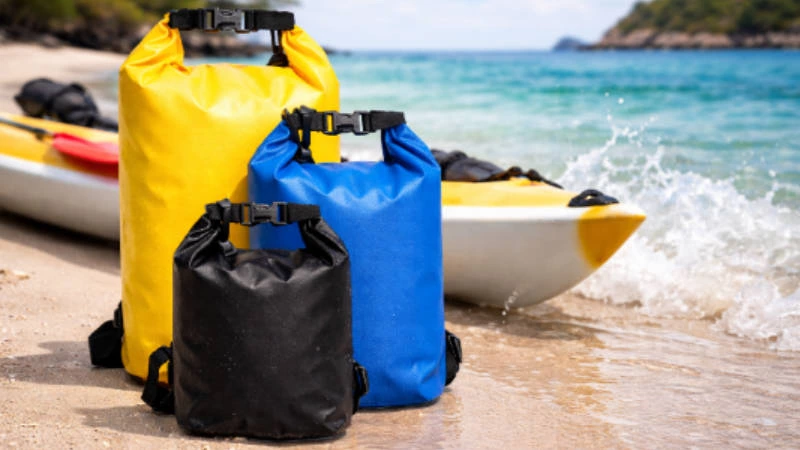
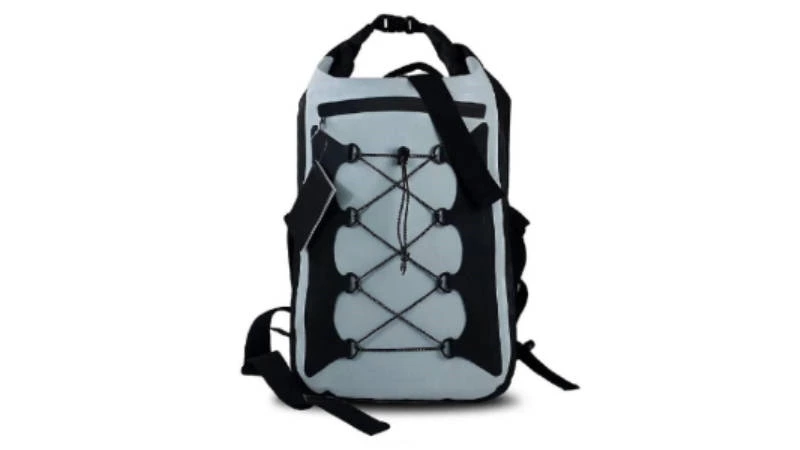
GulTrek is an outdoor gear factory covering six product categories — from car camping accessories to trekking gear. Their dry bag line includes roll-top dry bags (3L–40L), swimming buoy bags, beach dry bags, and waterproof backpacks built with 500D PVC tarpaulin.
Materials & Construction - 500D PVC tarpaulin for heavy-duty bags - Ripstop nylon for ultralight variants - 190T polyester for printed dry bags - Roll-top closure system across the range
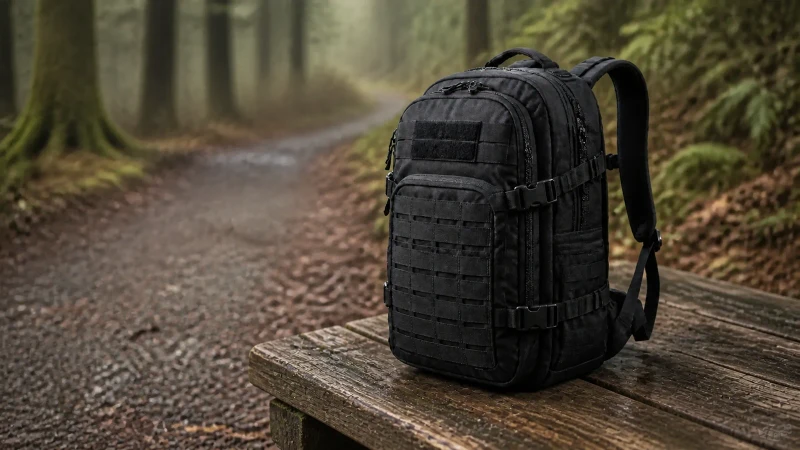
OEM/ODM Capabilities GulTrek runs a "Product Lab" for custom development, offering full ODM services from concept sketches to finished product. Custom sizes, colors, logos, and branding are standard. They also produce waterproof backpacks (30L and 32L) with seam-sealed construction and IPX6-rated PVC fabric.
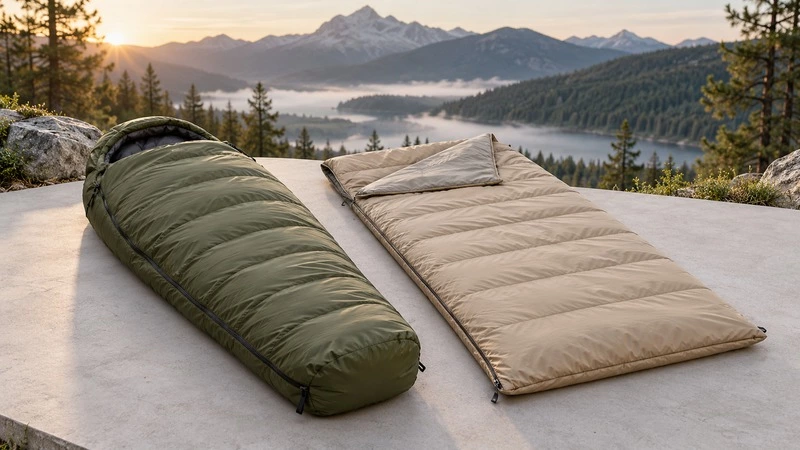
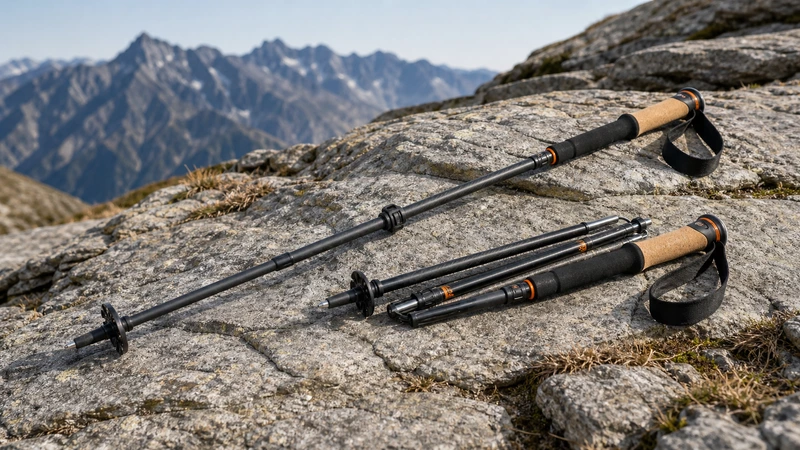
Best For: Brands looking for a one-stop outdoor gear partner that can supply dry bags alongside backpacks, trekking poles, and camping equipment — simplifying the supply chain with a single manufacturer.
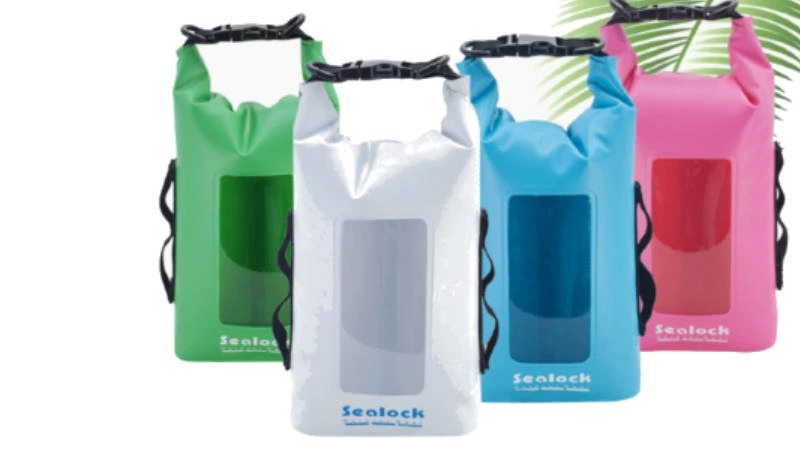
2. Sealock Outdoor Gear Co., Ltd.
Official Website: www.sealockdrybag.com
Location: Dongguan, Guangdong, China (also operates factories in Vietnam)
Founded in 2001, Sealock has over 20 years of experience in waterproof bag manufacturing. They're one of the larger operations on this list, with a combined monthly capacity of 400,000 units across three factories.
Factory Scale - China facility: 12,000 sq meters, ~300 workers, 9 HF-welding lines, 10 sewing lines - Vietnam Factory 1: 3,500 sq meters, 250 staff - Vietnam Factory 2: 7,000 sq meters, 600 staff
Materials & Construction - 840D TPU composite - Nylon with TPU coating - Vapor-tight waterproof zippers - High-frequency welding technology
Notable Clients Sealock has supplied dry bags to brands like Stanley, Osprey, Musto, Simms, and Hydro Flask. Their dual-factory setup (China + Vietnam) is worth noting if your target market is the US or EU — shipping from Vietnam can reduce tariff exposure.
Best For: Mid-to-large brands that need high-volume production (10,000+ units) with proven brand-partner experience.
3. FENGLINWAN (Dongguan City FengLinWan Leisure Products Co., Ltd.)
Official Website: www.flw-bag.com
Location: Dongguan, Guangdong, China
Founded: 2007
FENGLINWAN has 17 years of specialization in waterproof bag R&D and production. Their factory spans 12,000 square meters with automated production lines and a monthly output of up to 20,000 waterproof bags.
Materials & Construction - TPU (their preferred material — lighter, UV-resistant, more flexible than PVC) - PVC for cost-sensitive projects - Proprietary airtight waterproof technology achieving IPX8 rating — one of the highest ratings on this list
Certifications - ISO 9000 Quality Management System
Product Range Waterproof backpacks, duffel bags, totes, toiletry bags, floating dry bags, and satchels. Some products feature biodegradable materials with integrated rescue functions — a niche differentiator for marine safety brands.
Best For: Brands prioritizing advanced waterproofing (IPX8) and TPU-based products. Their eco-friendly material options also suit sustainability-focused brands.
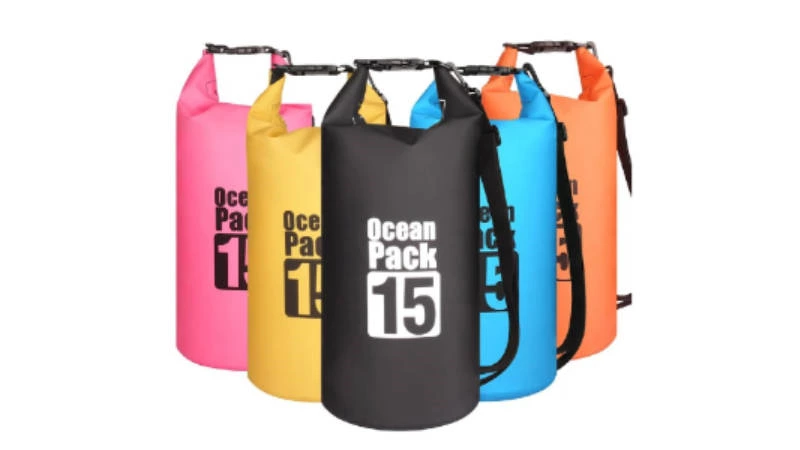
4. Winfung (Huizhou Hongfeng Technology Development Co., Ltd.)
Official Website: www.winfung.com
Location: Huizhou, Guangdong, China (established in Hong Kong, 1990)
Founded: 1990
With over 30 years in the bag industry, Winfung is one of the most established manufacturers on this list. They operate with 100–500 employees and specialize in stitch-free welding technology for waterproof construction.
Materials & Construction - Stitch-free welding technology (IPX5 rated) - Recycled RPET materials with TPU backing - PVC-free nylon options - Waterproof zippers
Certifications - ISO certified - SA8000 (social accountability) - SMETA certified - Disney FAMA certificate - Multiple national patents
OEM/ODM Capabilities Full-service: product design, manual sampling, quality testing, material sourcing, parts packaging, and logistics arrangement. Their in-house testing equipment handles quality assurance without third-party dependency.
Best For: Buyers who need a factory with strong compliance credentials (SA8000, SMETA, Disney FAMA) — particularly useful for selling into regulated retail channels in Europe and North America.
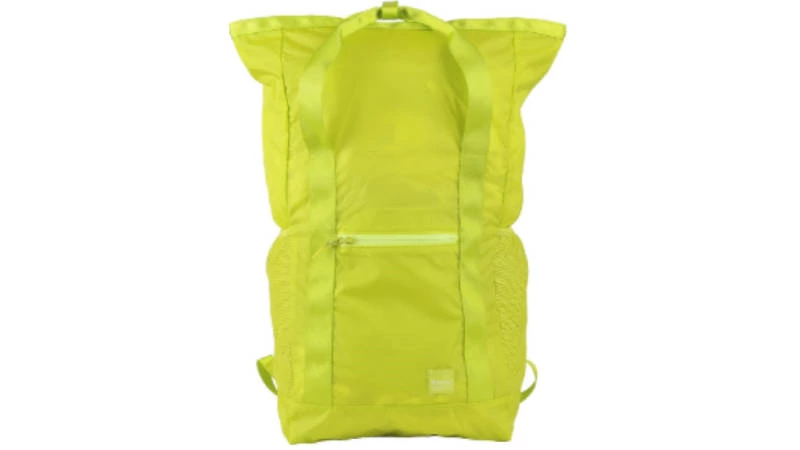
5. Quanzhou Le City Outdoor Equipment Co., Ltd.
Official Website: www.lecity-outdoor.com
Location: Quanzhou, Fujian, China
Le City has focused on waterproof outdoor bags for over 12 years. Their factory covers more than 5,000 square meters with 6 production lines and 200+ staff.
Materials & Construction - High-strength TPU and PVC - 600D TPU-coated fabric - 1680D durable material for heavy-use products - RPET recycled material (from plastic bottles) - Air-tight zip closures
Certifications - ISO 14000 (environmental management) - ISO 9001 - GJB 9001-2001A - BSCI and SGS tested
OEM/ODM Capabilities Le City claims that over 80% of waterproof bag models on the market can be sampled without upfront costs — meaning they likely hold a large library of existing molds and patterns. This reduces development time for buyers who want to customize existing designs rather than start from scratch.
Best For: Buyers looking for fast sampling and a wide existing product library. Their ISO 14000 certification also makes them a strong choice for brands with environmental sourcing policies.
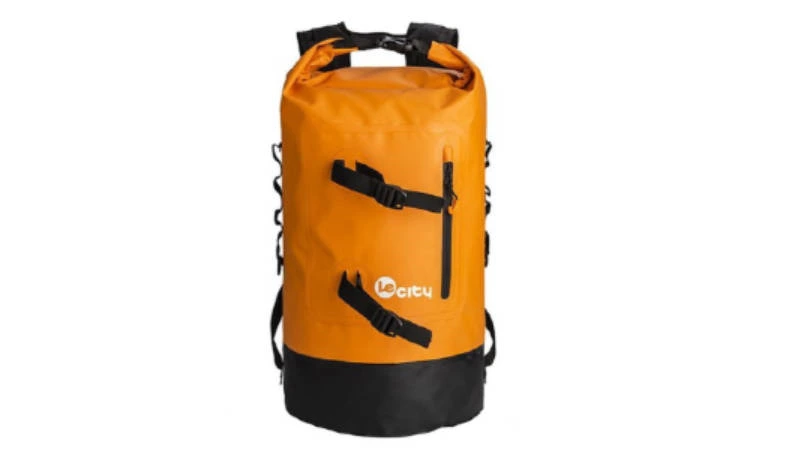
6. Xiamen Green Field Co., Ltd.
Official Website: www.greenfield-bag.com
Location: Xiamen, Fujian, China
Founded: 2010
Green Field operates from a 4,800-square-meter factory with approximately 100 workers. They produce dry bags as part of a broader catalog spanning sports gear, travel bags, eco-fashion, and even garden storage.
Materials & Construction - Recycled polyester (rPET) - Organic cotton - Natural and renewable materials with minimal chemical processing
Certifications - GRS (Global Recycle Standard) - OEKO-TEX - ISO 9001 - BSCI audited - SEDEX audited - Alibaba Gold Supplier (17+ years)
OEM/ODM Capabilities Over 4,000 existing samples available for reference, with new products developed monthly. They accept custom orders based on drawings or samples with low MOQ.
Best For: Eco-conscious brands that need GRS-certified recycled materials. Their OEKO-TEX certification is also valuable if your dry bags are marketed for direct skin contact use.
7. SINOTOP (Yiwu Tianmei Plastic Co., Ltd.)
Official Website: www.sinotopdrybag.com
Location: Yiwu, Zhejiang, China
Founded: 2005
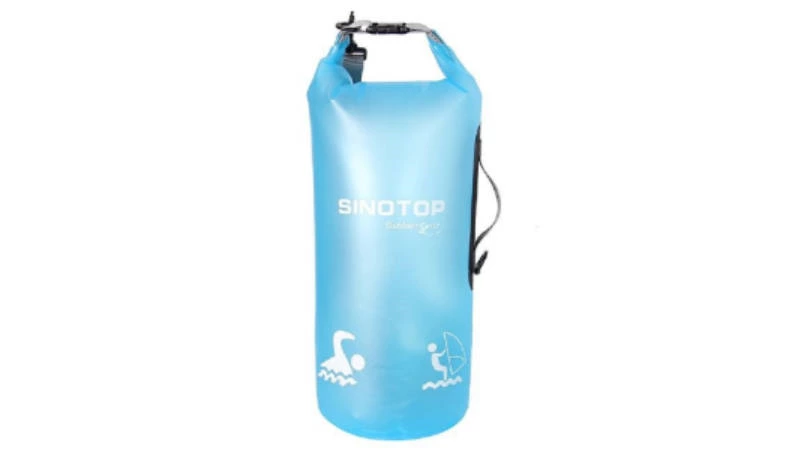
SINOTOP operates from a 6,500-square-meter workshop with 150+ employees, 5 production lines, and 120+ machines. Monthly capacity reaches 200,000 units — making them one of the higher-volume specialists on this list.
Materials & Construction - PVC tarpaulin, nylon, TPU fabrics - 100% waterproof high-frequency heat-pressing (stitch-free heat sealing) - Over 1,000 existing voltage molds — this cuts development costs because new products can often use existing molds with modifications
Certifications - SGS tested - ISO 9001 - BSCI
OEM/ODM Capabilities Over 10 years of direct experience working with Amazon sellers. In-house printing department for rapid sampling and turnaround.
Best For: Amazon sellers and e-commerce brands needing high-volume production with fast turnaround. Their large mold library and Amazon-seller experience make the sampling-to-production pipeline smoother.
8. Quanzhou Muni Bags Co., Ltd.
Official Website: www.munibags.com
Location: Quanzhou, Fujian, China
Founded: 2011
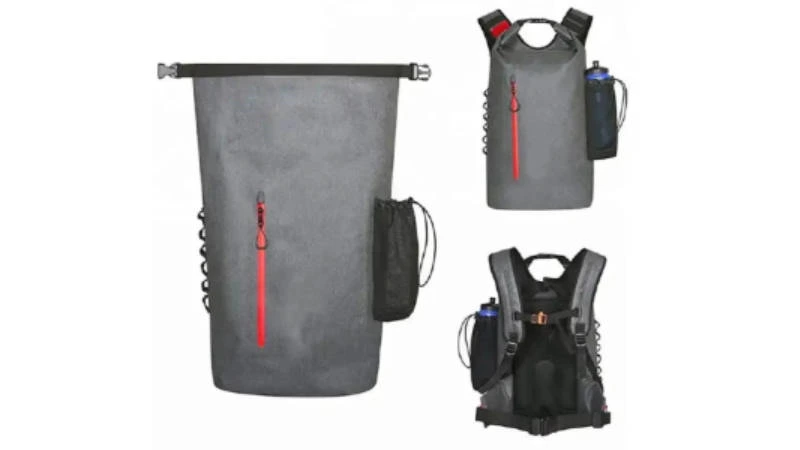
Muni Bags operates from a 6,000+ square meter facility and specializes in TPU-based products — including hydration bladders, TPU bottles, and dry bags. This TPU focus is their key differentiator; while most factories on this list started with PVC, Muni built their expertise around TPU from the beginning.
Materials & Construction - TPU (thermoplastic polyurethane) — primary specialty - Hydration bladder technology (transferable to dry bag sealing)
Certifications - BSCI - ISO 9001 - EN71, AZO Free, REACH, Phthalate-Free compliant
OEM/ODM Capabilities Full OEM/ODM services with multiple product patents. They export to Europe, the US, and South America.
Best For: Brands that want TPU-based dry bags with hydration-grade sealing quality. Their REACH and phthalate-free compliance makes them a solid choice for products sold in the EU market.
Quick Comparison
| Manufacturer | Location | Key Material | Best For |
|---|---|---|---|
| GulTrek | Ningbo | PVC, Nylon, Polyester | Multi-category outdoor brands |
| Sealock | Dongguan + Vietnam | TPU, Nylon | High-volume orders |
| FENGLINWAN | Dongguan | TPU, PVC | Advanced waterproofing |
| Winfung | Huizhou | RPET, Nylon | Compliance-heavy retail |
| Le City | Quanzhou | TPU, PVC, RPET | Fast sampling, eco-sourcing |
| Green Field | Xiamen | rPET, Organic Cotton | Sustainable brands |
| SINOTOP | Yiwu | PVC, Nylon, TPU | Amazon / e-commerce sellers |
| Muni Bags | Quanzhou | TPU | EU-market TPU products |
How to Choose the Right Dry Bag Manufacturer
Picking a factory depends on your specific situation. Here's a practical framework:
Start with your target market. If you're selling into the EU, prioritize REACH compliance and BSCI/SEDEX audits (Green Field, Muni Bags, Winfung). For North America, look at factories with FDA-compliant materials and social accountability certifications.
Match the material to your price point. PVC tarpaulin dry bags are the most cost-effective — good for promotional products and budget lines. TPU bags cost more but offer better flexibility, lighter weight, and UV resistance — better for mid-to-premium positioning. Ripstop nylon with coatings works for ultralight outdoor gear.
Consider your order volume. If you're testing the market with 300–500 units, choose factories known for low MOQ flexibility (GulTrek, Green Field, Le City). For orders above 10,000 units per month, Sealock and SINOTOP have the production lines to handle that scale.
Request a golden sample first. Before committing to a production run, always ask for a pre-production sample made with your exact specifications — not just a shelf sample. This costs more (typically $50–$150) but catches quality and dimension issues before they become expensive.
Verify the waterproof rating yourself. Ask the factory to provide IPX test reports from a third-party lab, not just self-declared ratings. An IPX6 rating means protection against strong water jets; IPX8 means submersion. Make sure the rating matches your product's actual use case.
FAQs
Q1: What materials are used to make dry bags in China?
The three main materials are PVC tarpaulin (most common, durable, affordable), TPU or thermoplastic polyurethane (lighter, more flexible, eco-friendlier), and coated nylon or polyester (lightest weight). Most Chinese manufacturers offer at least PVC and TPU options. The choice depends on your budget, target use case, and pricing strategy.
Q2: What is the typical MOQ for dry bags from Chinese manufacturers?
MOQs vary widely. Smaller factories or those with existing mold libraries may accept 300–500 pieces per design. Larger factories with dedicated production lines often require 1,000–3,000 pieces. Custom ODM designs with new molds typically need higher minimums to justify tooling costs.
Q3: How long does dry bag production take?
Sample development usually takes 7–15 days. Bulk production runs 20–45 days depending on order size, customization complexity, and factory backlog. Add 15–30 days for ocean freight. Plan for a total lead time of 2–3 months from order confirmation to delivery.
Q4: What waterproof rating should I look for?
IPX6 protects against strong water jets and is sufficient for most outdoor activities like kayaking, rafting, and beach use. IPX7 covers temporary submersion (up to 1 meter for 30 minutes). IPX8 handles continuous submersion. For standard dry bags, IPX6 is the practical minimum; IPX7 or IPX8 is better if your customers expect full submersion protection.
Q5: Can Chinese dry bag factories produce eco-friendly options?
Yes. Several manufacturers now offer recycled materials like RPET (recycled PET bottles), TPU as a PVC-free alternative, and organic cotton blends. Factories like Green Field hold GRS certification for recycled content, and Le City uses RPET fabric. If sustainability is a brand requirement, ask for GRS or OEKO-TEX certified materials specifically.
Q6: How do I verify a manufacturer's quality before ordering?
Request third-party test reports (SGS, Intertek, or Bureau Veritas) for waterproof ratings and material safety. Ask for a factory audit report (BSCI, SEDEX, or SA8000). Order a golden sample — a pre-production sample made to your exact specs. If possible, arrange a factory visit or hire a third-party inspection agent for your first order.
Q7: What's the price range for OEM dry bags from China?
Pricing depends on material, size, and order volume. As a rough guide: basic PVC roll-top dry bags (10L–20L) run $1.50–$4.00 per unit at quantities of 1,000+. TPU dry bags cost 20–40% more. Custom printing, special hardware, and complex designs add to the unit cost. Always request a detailed quotation that breaks down material, labor, printing, and packaging costs separately.
Q8: Should I choose a PVC or TPU dry bag?
PVC is more cost-effective and highly durable — a good fit for budget-friendly lines, promotional products, or heavy-duty commercial use. TPU is lighter, more flexible, and more resistant to UV and temperature changes. TPU is also the better choice if you want to market the product as eco-friendlier, since it's PVC-free and more readily recyclable. For premium outdoor brands, TPU typically tests better with end consumers.
Conclusion
China's dry bag manufacturing industry offers a wide range of factory options — from specialized TPU producers like Muni Bags to high-volume operations like Sealock that ship 400,000 units monthly. The right manufacturer depends on your target market, order volume, material preference, and compliance requirements.
Start by narrowing your list to 2–3 factories that match your core needs (material, MOQ, certifications). Request samples from each, compare the waterproof rating test reports, and evaluate their communication and responsiveness during the sampling process. The factory that delivers a solid sample on time with clear communication is usually the one that performs best in production too.